RSS

Bell's Lake, West Grey

Size, Depth, Boating Rules, Fish Species, Public Access & What It’s Known For

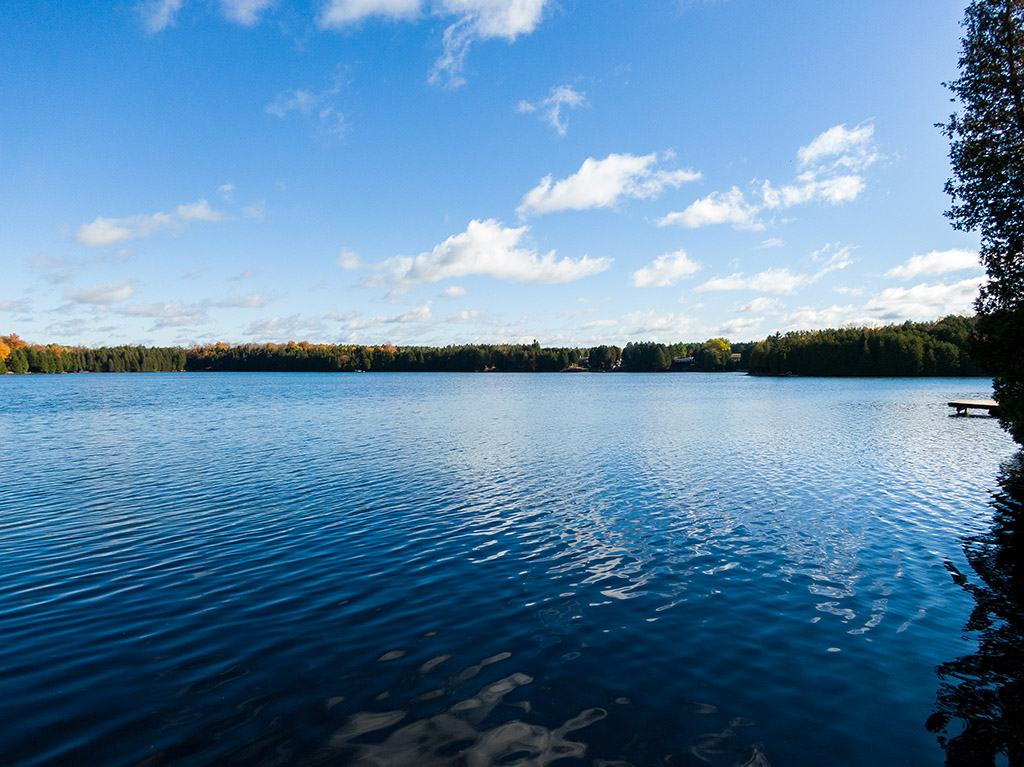
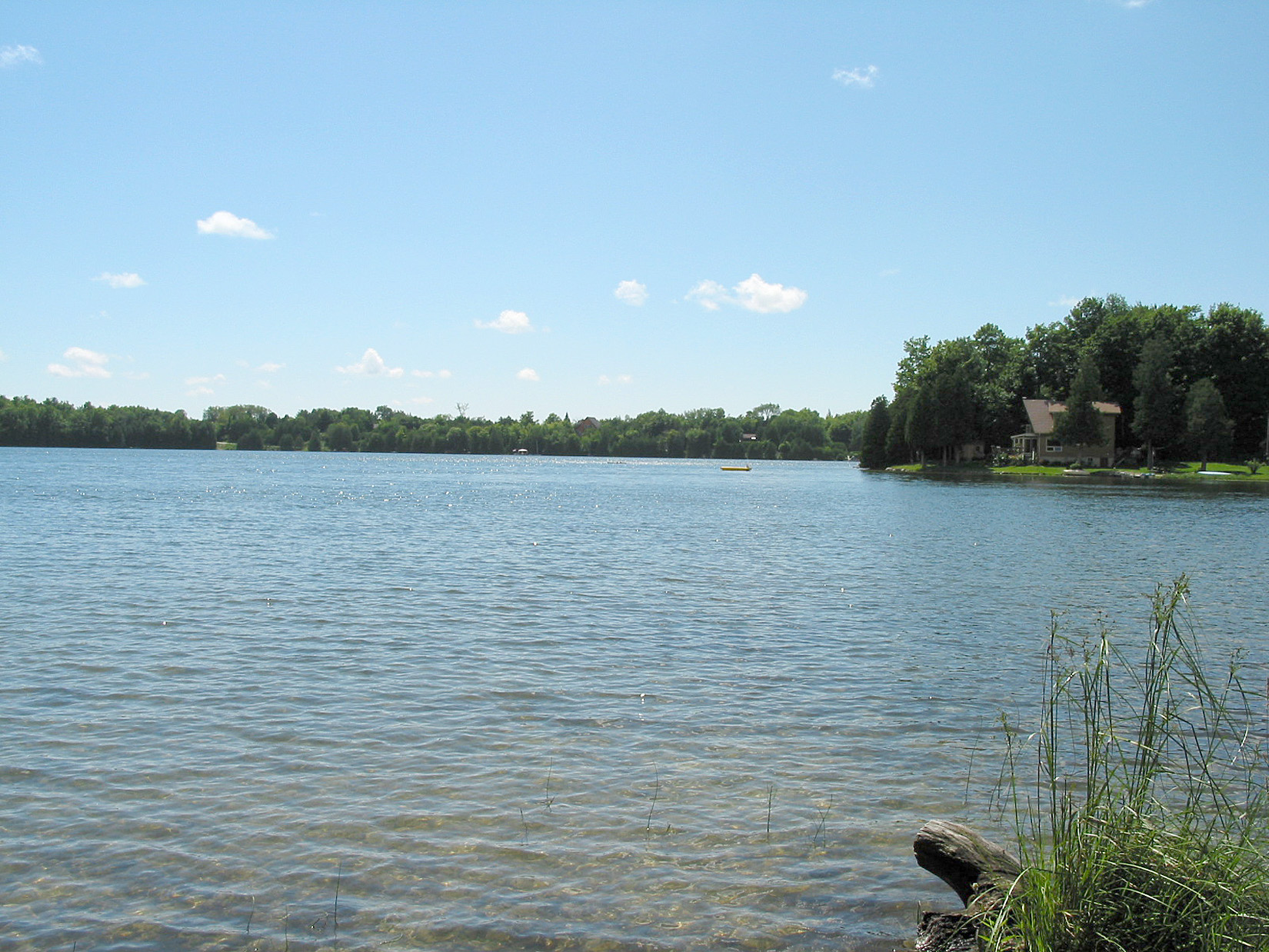
LBell’s Lake is a small inland lake located in the Municipality of West Grey in Grey County, Ontario. It is known for its calm water, natural setting, and quiet recreational use. Unlike larger lakes that attract heavy boating activity, Bell’s Lake is better known as a peaceful destination for paddling, fishing, and enjoying nature.

Some Quick Facts:

Lake type:  Natural inland lake
Location: West Grey, Grey County, Ontario

Bell’s Lake sits just west of Markdale and is part of a conservation property managed by the Saugeen Valley Conservation Authority. The lake is known for its quiet environment and limited development. 

Lake Depth

Detailed bathymetric surveys for Bell’s Lake are not widely published, but it is generally considered a shallow to moderate depth inland lake. Lakes of this size typically support calm water conditions that are well suited to paddling and fishing.
Fish Species in Bell’s Lake

Bell’s Lake is a popular local fishing spot. Species reported in the lake include:

  • Northern pike

  • Smallmouth bass

  • Brook trout

These species are typical of smaller inland lakes in Grey County and contribute to its reputation as a quiet fishing destination. 

Boating and Watercraft


Bell’s Lake is best suited to low impact recreational boating.

Common uses include:

  • Canoes

  • Kayaks

  • Paddleboards

  • Small fishing boats

Powered watercraft over 10 horsepower are not permitted, which helps maintain the calm character of the lake. 

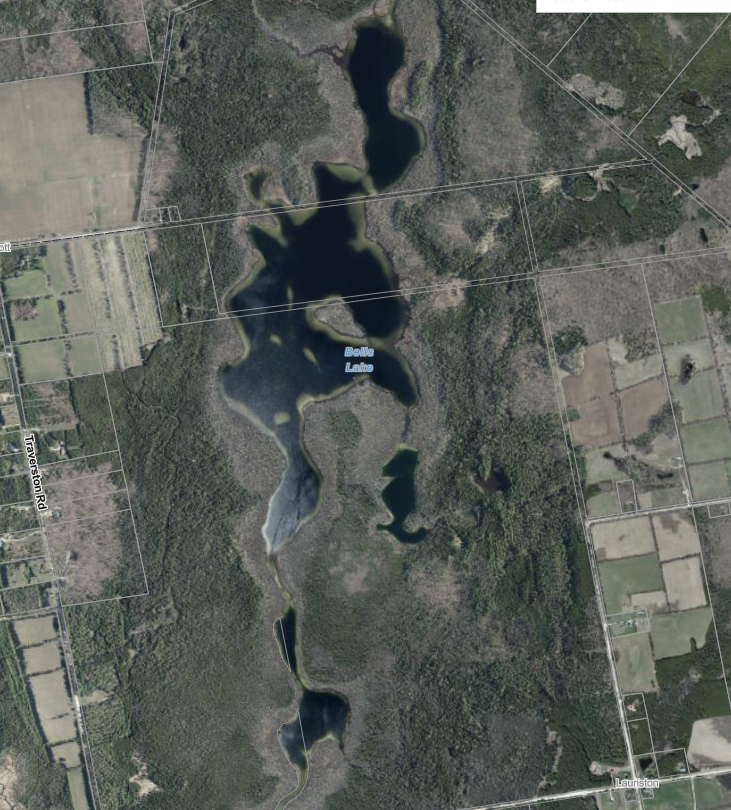
Public Access Map

Bell’s Lake is located on conservation land and has a small access area where visitors can reach the water.


Facilities are limited and there are no developed recreational amenities at the lake.

For general location reference, Bell’s Lake can be viewed here:
 https://maps.app.goo.gl/YXJJDK3fH5z5ymzSA

What Bell’s Lake Is Known For

Bell’s Lake is known for:

  • Quiet paddling and canoeing

  • Recreational fishing

  • Natural surroundings and conservation land

  • Limited shoreline development

  • A peaceful setting close to Markdale

Its calm water and minimal motorized boating make it a favourite spot for paddlers and anglers looking for a quieter experience. 

A Local Perspective


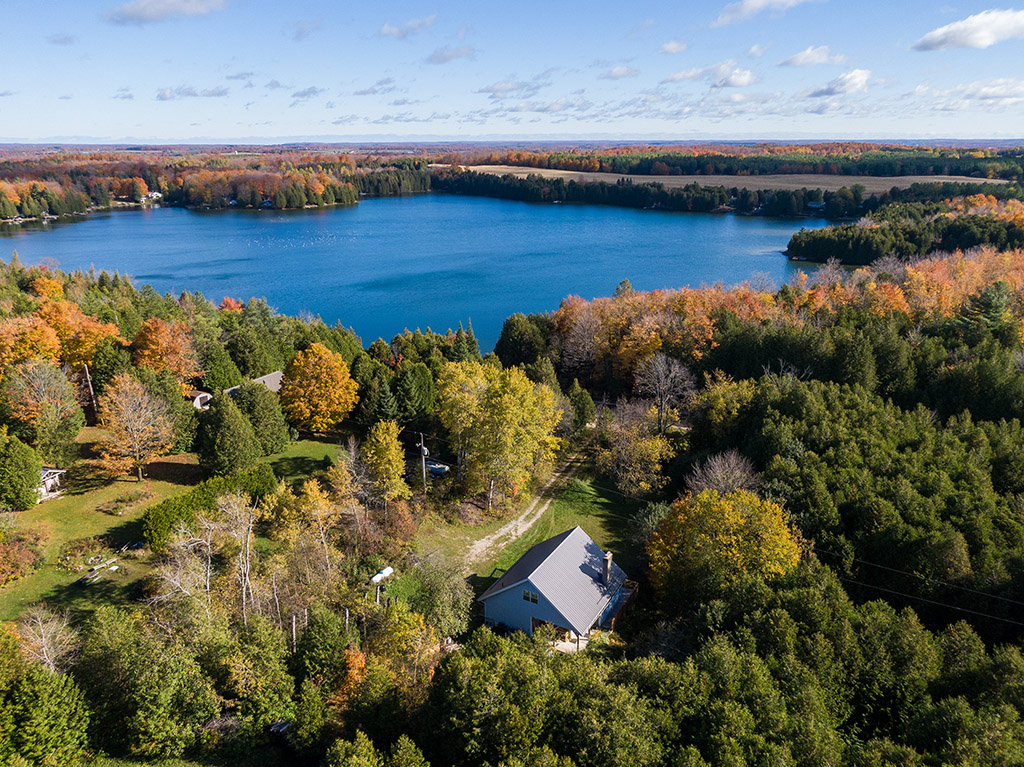
Bell’s Lake offers a very different feel from larger lakes in the region. With its smaller size and conservation setting, it tends to attract people who want to slow down and enjoy the outdoors without crowds or heavy boat traffic.

For those looking for a quiet lake environment in West Grey, Bell’s Lake provides a calm and nature focused experience.

Read

Irish Lake, West Grey

Size, Depth, Boating Rules, Fish Species, Public Access & What It’s Known For

Irish Lake is a small inland lake located in the Municipality of West Grey in Grey County, Ontario. It is known as a quiet and lightly developed lake that appeals to anglers and people who prefer a calm waterfront setting rather than high-activity boating.

Some Quick Facts:

Lake type:  Natural Inland Lake
Location:  West Grey, Grey County, Ontario

Surface area: Approximately 20 acres
Shoreline length: Primarily residential with roughly 50 cottages surrounding the lake 

Irish Lake is one of the smaller lakes in the Grey County area, which contributes to its quiet character and slower pace.

Lake Depth

Irish Lake is relatively shallow compared to many larger inland lakes.

  • Average depth: Depth is generally moderate across much of the lake.

  • Maximum depth: Approximately 20 feet 

The shallow profile contributes to calm water conditions and supports warm-water fish habitat.

Fish Species in Irish Lake

Irish Lake is most commonly known as a recreational fishing lake.

Species reported in the lake include:

  • Brook trout

  • Rainbow trout

  • Smallmouth bass

  • Rock bass

  • Pumpkinseed

  • Largemouth bass

  • Yellow perch

  • Black bullhead 

Because of its size and habitat, fishing tends to be relaxed and local rather than high-pressure sport fishing.

Boating and Watercraft

Irish Lake is generally considered a non-motorized lake, which helps maintain a quieter environment. 

Typical watercraft include:

  • Canoes

  • Kayaks

  • Paddleboards

  • Rowboats

  • Small electric fishing boats


The absence of large motorized boating keeps the lake calm and well suited to paddling and fishing.

Public Access Map

Public access to Irish Lake is limited.

Most of the shoreline is privately owned by the surrounding cottages. Visitors should respect private property and use established access points where permitted.

For general location reference, Irish Lake can be viewed here: https://maps.app.goo.gl/duG9VkH3X6Bcr1f46

What Irish Lake Is Known For

Irish Lake is known for:

  • Quiet, low traffic lake conditions

  • Recreational fishing

  • Canoeing and paddling

  • A small cottage community

  • Natural surroundings with modest shoreline development

It is not a large recreational boating lake, and that quieter character is part of its appeal.

A Local Perspective

Irish Lake tends to attract people who appreciate a slower pace on the water. Its smaller size and non-motorized environment create a setting where paddling, fishing, and simply spending time outdoors are the focus.

For those looking for a calm inland lake in West Grey, Irish Lake offers a peaceful and understated waterfront experience.

Read

Lake Eugenia, Grey Highlands

Size, Depth, Boating Rules, Fish Species, Public Access & What It’s Known For

Lake Eugenia is the largest inland lake in Grey County and one of the most recognizable lakes in Grey Highlands. Set along the Niagara Escarpment in the Beaver Valley, it’s a four-season lake that attracts a mix of full-time residents, recreational boaters, anglers, and families who value space, scenery, and accessibility.

This post focuses on clear, factual information about Lake Eugenia to help you understand what makes it unique.

Some Quick Facts:

Lake type:  Man-made reservoir
Location:  Grey Highlands, Grey County, Ontario
Waterway:  Beaver River

Surface area: Approximately 1,787 acres
Shoreline length: Approximately 14.9 miles

Lake Eugenia is the largest inland body of water in the county, which gives it a noticeably more open feel compared to smaller lakes in the area.

Lake Depth

Lake Eugenia is generally shallow, with deeper water near the dam.

  • Average depth: Approximately 4.6 feet

  • Maximum depth: Approximately 40 feet

This depth profile contributes to warmer water temperatures in summer and supports a wide range of recreational use.

How Lake Eugenia Was Created

Lake Eugenia is not a natural lake.

It was created in the early 1900s when the Beaver River was dammed as part of a hydroelectric power project. Construction began around 1912, and by 1915 the surrounding land had flooded, forming the lake as it exists today.

The project reshaped the Beaver Valley and transformed former farmland into a large reservoir. The dam and water system were later rebuilt in the 1960s, resulting in minor changes to water levels.


Fish Species in Lake Eugenia

Lake Eugenia supports a variety of warm-water and cold-water fish species and is a popular recreational fishing destination.

Commonly found species include:

  • Smallmouth bass

  • Largemouth bass

  • Yellow perch

  • Rainbow trout (stocked)

  • Rock bass

  • Sunfish

  • Bullhead catfish

Fishing conditions vary by season, with bass fishing popular in summer and trout activity often stronger during cooler periods.

Boating on Lake Eugenia

Motorized boating: Permitted

Lake Eugenia supports a wide range of watercraft, including powerboats, pontoons, personal watercraft, kayaks, and canoes.

There is no single lake-wide horsepower limit posted, but boaters are expected to follow provincial boating regulations, posted signage, and no-wake zones, particularly near shorelines and swimming areas.

Public Access, Boat Launch & Beach

Lake Eugenia has one primary public access point, located in the community of Eugenia.

This public access includes:

  • A municipal boat launch

  • A designated swimming beach

  • Parking

  • Picnic space

Most of the remaining shoreline around Lake Eugenia is privately owned.

Public Access Map

You can view the public beach and boat launch here:  https://maps.app.goo.gl/6HogEEmePw6cH7gr7 

What Lake Eugenia Is Known For

Lake Eugenia is best known for:

  • Being the largest inland lake in Grey County

  • A balance of active boating and quieter shoreline areas

  • Recreational fishing for bass, perch, and trout

  • Scenic views connected to the Beaver Valley and Niagara Escarpment

  • Proximity to hiking, including nearby Bruce Trail access points

Its size gives it a more open, expansive feel than many inland lakes, while still maintaining a strong sense of community.

A Local Perspective

Lake Eugenia tends to appeal to people who want space, views, and the ability to enjoy the lake without any boating restrictions across all four seasons. It offers a mix of seasonal cottages and year-round homes, with nearby towns providing everyday services without feeling far removed from nature.

It’s a lake people choose when they want room to breathe, on and off the water.

Read
This website may only be used by consumers that have a bona fide interest in the purchase, sale, or lease of real estate of the type being offered via the website. The data relating to real estate on this website comes in part from the MLS® Reciprocity program of the PropTx MLS®. The data is deemed reliable but is not guaranteed to be accurate.